Energy Retrofits for California Multifamily Buildings
For owners, asset managers, HOA boards and affordable housing operators planning heat pump HVAC, envelope and controls upgrades across one building or a portfolio.
We help you decide what to do first, check which programs may apply, and match the project with a qualified California contractor for a free, no-obligation assessment.

- California multifamily only
- Owner and manager inquiries
- Incentive check included
- Free, no-obligation assessment
What a multifamily energy retrofit covers
Most retrofits combine a few of these. The order matters: envelope and controls work can change the size of the heating and cooling equipment you need.
-
Heat pump heating and cooling
Replacing wall furnaces, through-wall AC, PTACs and aging split systems with heat pumps, unit by unit or building-wide.
Heat pump HVAC retrofits -
Building envelope
Insulation, air sealing, windows and roofs. Envelope work cuts the load that new heating and cooling equipment has to meet.
-
Lighting
Common-area, exterior and parking lighting, often the simplest first project in an occupied building.
-
Controls and metering
Thermostats, central controls and submetering that let you see where energy goes and keep new equipment running as designed.
-
Whole-building and deep retrofits
Several measures planned as one project, or as a phased sequence, when a building needs more than a single fix.
Deep energy retrofits -
Benchmarking-led capital plans
Using your benchmarking data and utility bills to decide which building, and which measure, goes first.
California energy benchmarking

Start with the building that needs it most, not the measure that is easiest to buy.
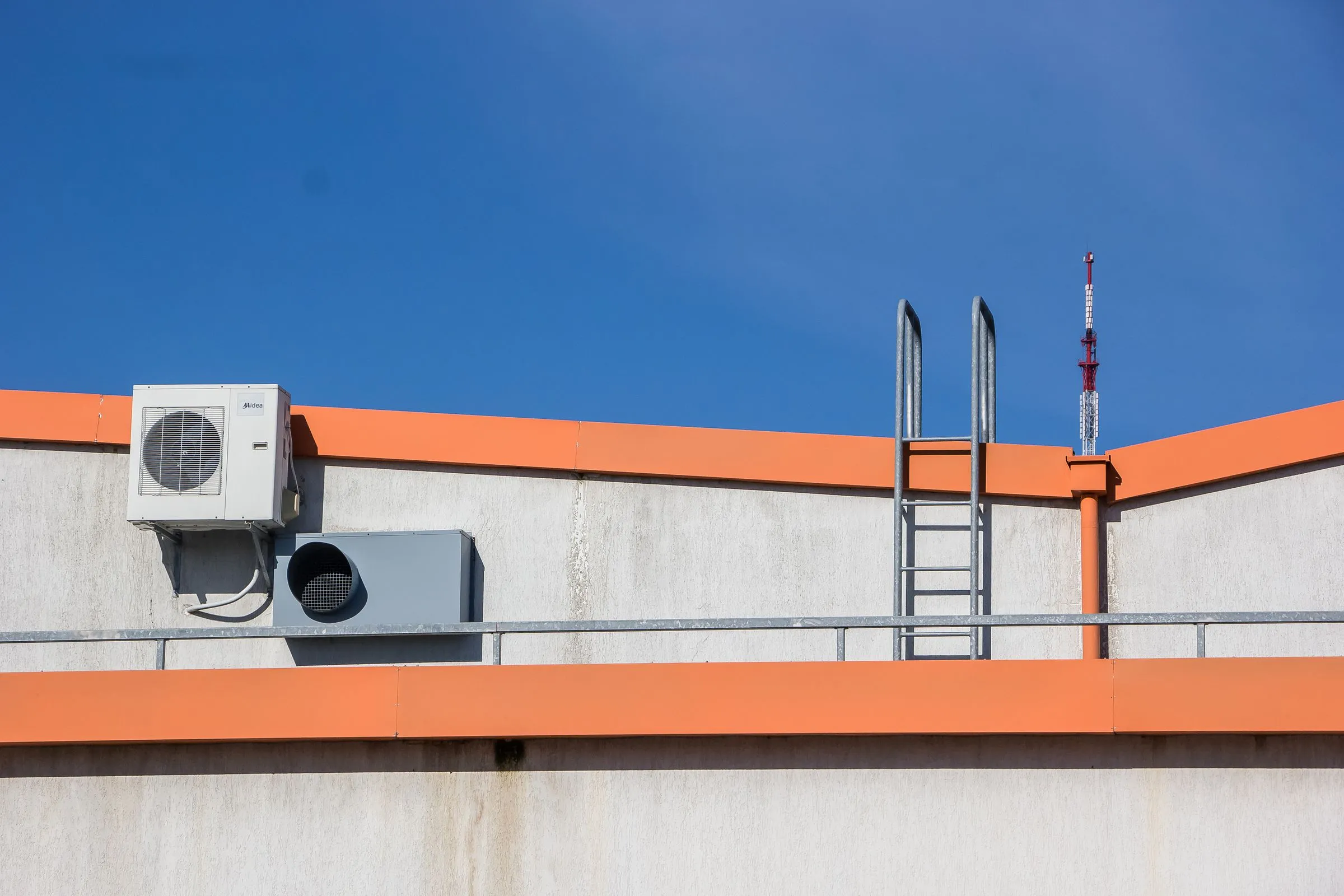
How to prioritize across a portfolio
Rank buildings by the signals you already have. Four usually decide the order.
- Equipment at end of lifeA failing heating system or a chiller with no parts forces a decision. Plan the replacement so it fits the longer roadmap instead of repeating the old system.
- High energy use per square footBenchmarking scores and utility bills show which buildings use the most energy for their size. Those are often where a retrofit has the most to work with.
- Compliance datesState benchmarking and some city ordinances set reporting and audit dates. A building with a date coming up may need to move first.
- Resident comfort complaintsNo cooling, uneven heat and drafts are signs of the same envelope and HVAC problems a retrofit fixes.
Benchmarking data is the starting point
If your buildings already report energy use for California benchmarking, that report is a ready-made comparison across the portfolio. How to use a benchmarking score
How it works
From utility bills to a defined first project
Five steps. The contractor confirms scope, price and responsibility before any work is agreed.
Gather
Utility bills or benchmarking reports, an equipment list, and any capital needs assessment you already have.
Screen
Find the buildings with failing equipment, high energy use or a compliance date coming up.
Sequence
Order the measures so envelope and controls work comes before equipment is sized, where that makes sense.
Check programs
Note which California programs may be open for the property, and treat none as certain until confirmed.
Match
With your consent, a qualified California contractor partner arranges a free, no-obligation assessment and quote.
Who this is for
California properties with 2 or more units, on one site or many. Tenants: please contact your property manager.
- Portfolio ownersSeveral addresses, one capital plan, and a decision about which building goes first.
- Asset and property managersComfort complaints and aging equipment today, a benchmarking report due this year.
- HOA boardsCommon-area systems, reserve studies and a board vote to prepare for.
- Affordable housing operatorsCapital needs assessments, funding conditions and occupied buildings that cannot lose service.
Retrofit guides
Plain-language guides for the decisions that come up most.

Heat pump HVAC retrofits
Equipment paths for replacing wall furnaces, PTACs and old split systems in occupied apartments.
Read the guide
Deep energy retrofits
When a building needs several measures at once, and how to phase them while residents stay.
Read the guide
Affordable housing retrofits
Turning a capital needs assessment into a retrofit scope, with funding tracks and resident needs.
Read the guideFunding: check before you budget
Regional energy networks, utility low-income programs and state weatherization funds all support multifamily retrofits, but they open and close. Our dated directory lists each one with its official link.
Questions before you begin
What does a multifamily energy retrofit usually include?
It depends on the building, but the common measures are heat pump heating and cooling, insulation and air sealing, windows, lighting, and controls. A retrofit can be a single measure or several planned together.
Where should an owner with several buildings start?
Start with the data you already have: utility bills or benchmarking reports, equipment ages and resident complaints. Those point to the building where a project is most urgent or will save the most.
Do I need an energy audit first?
Not always. For a single equipment replacement, a site visit may be enough. For a whole-building or deep retrofit, an audit or detailed assessment helps set the scope, and some incentive programs require one.
Is the assessment really free?
Yes. The assessment and quote from the contractor partner are free and come with no obligation to go ahead.
Do you work outside California?
No. We only cover multifamily buildings with 2 or more units in California.
Free, no-obligation assessment
Request a free assessment
The assessment is free and comes with no obligation. Tell us about the buildings and the upgrades you are weighing; two short steps, and engineering records can come later.
- 1. Property
- 2. Location and contact